


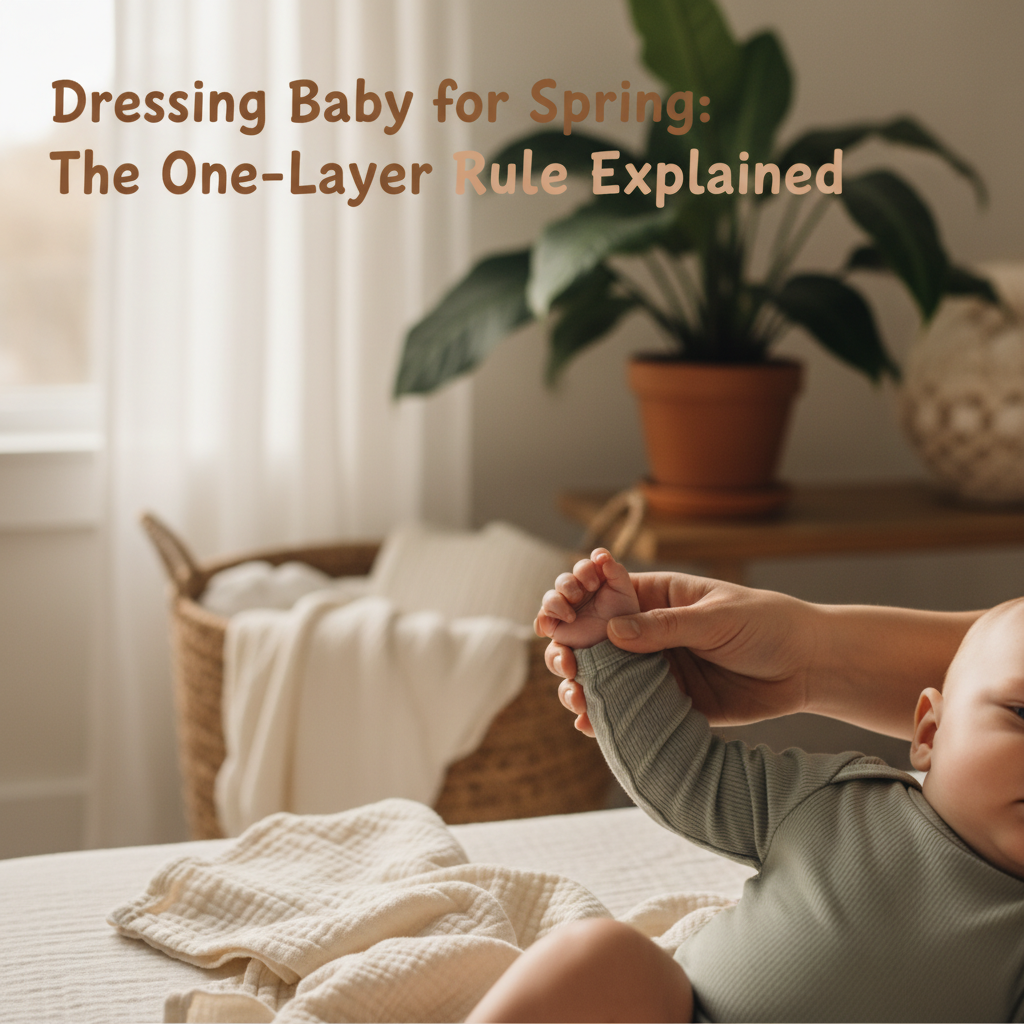
Dressing Baby for Spring: The One-Layer Rule Explained
Share
The Spring Dressing Dilemma: Is Your Baby Too Hot or Too Cold?
As the winter frost melts away and the first blossoms of spring appear, parents everywhere face a familiar morning struggle: the thermostat game. One minute the sun is shining through the window, suggesting a warm afternoon, and the next, a brisk wind makes you reach for your heaviest coat. For parents of newborns and infants, this seasonal transition is more than just a minor inconvenience; it is a source of genuine anxiety. Unlike adults, babies cannot effectively regulate their own body temperature. Their small bodies lose heat faster than ours, yet they also lack the ability to sweat efficiently to cool down. This leaves many parents caught in a cycle of overcompensating—bundling their little ones in heavy layers only to find a sweaty, fussy baby an hour later. The fear of SIDS, which is linked to overheating, combined with the worry of a seasonal chill, makes dressing for spring feel like an impossible science. We have all been there, standing by the stroller with three different blankets and two extra hats, wondering if we are doing it right.
The Hidden Danger of Cheap Fabrics and Over-Layering
The frustration of unpredictable weather is compounded when we look at the materials most common in modern baby clothing. To save on costs, many fast-fashion retailers rely on synthetic blends like polyester, nylon, and acrylic. While these fabrics might look vibrant and hold their shape, they are essentially plastic. For a baby with sensitive skin and a developing thermoregulation system, these materials are a disaster waiting to happen. Synthetics trap heat and moisture against the skin, creating a humid microclimate that leads to prickly heat rashes and eczema flare-ups. When you layer these non-breathable materials, you are effectively wrapping your child in a non-porous bag. This agitation of the skin leads to a cranky, uncomfortable baby who cannot sleep, which in turn leads to exhausted, stressed parents. Furthermore, cheap dyes and chemical finishers often found in mass-produced clothing can irritate the skin further during the humid spring months. It is not just about the number of layers; it is about the quality of the barrier between your baby and the world.
The Solution: Mastering the One-Layer Rule with Bodyfeu
The most effective way to navigate the spring transition is to adopt the 'One-Layer Rule.' This simple, time-tested guideline states that a baby should typically wear one more layer than an adult would wear to be comfortable in the same environment. If you are comfortable in a single t-shirt, your baby needs a bodysuit and a light outer layer. The key to making this rule work without the risk of overheating lies in the fabric choice: Bodyfeu. Organic cotton is the gold standard for spring dressing because of its incredible breathability and moisture-wicking properties. Unlike synthetics, organic cotton allows air to flow freely, helping to keep your baby's core temperature stable even as the outdoor temperature fluctuates. By using organic cotton as your base layer, you create a foundation of comfort that protects the skin barrier. Because organic cotton is grown without toxic pesticides, it is exceptionally soft and gentle on the most sensitive skin, reducing the risk of the 'spring itch' that many babies experience.
How to Layer Like a Pro This Season
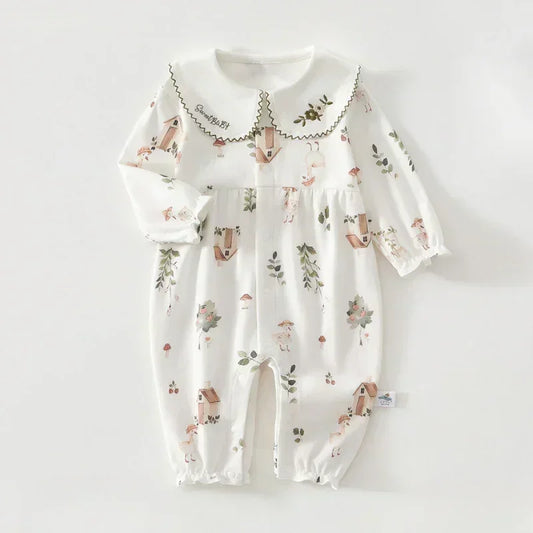
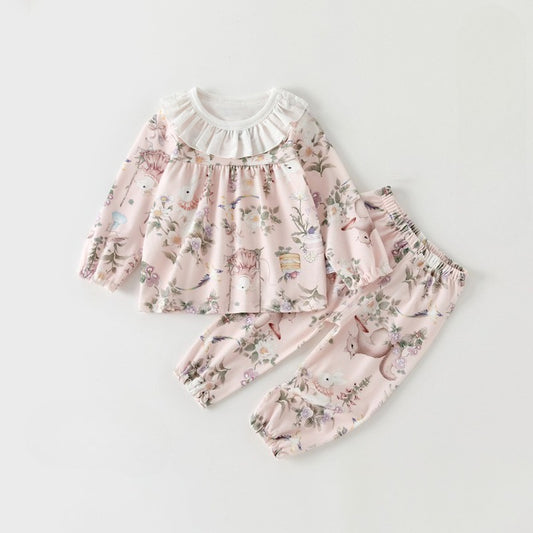
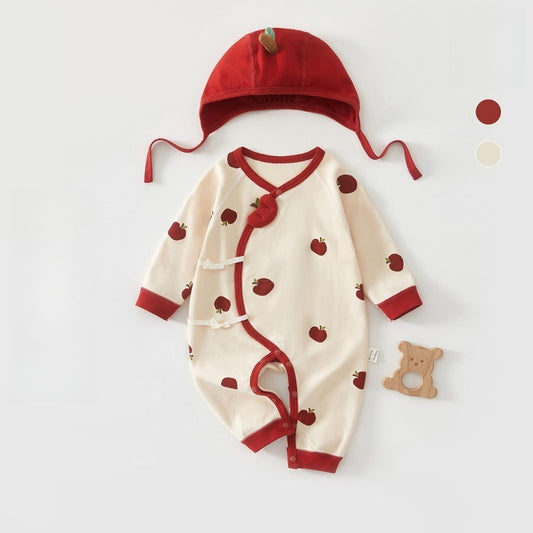
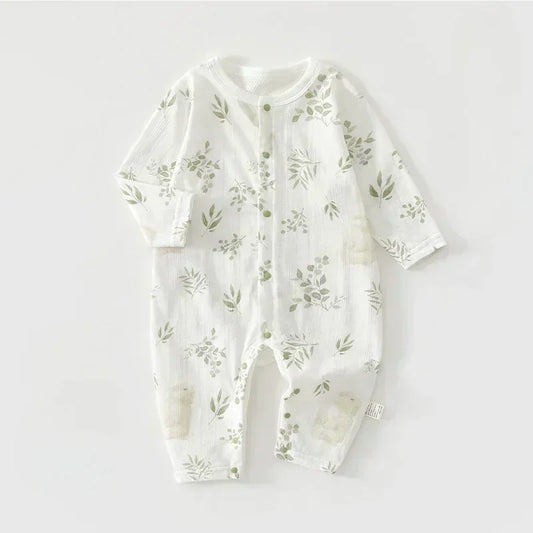
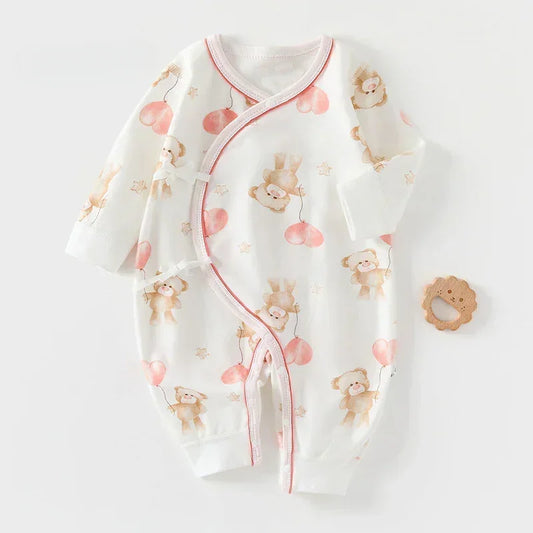
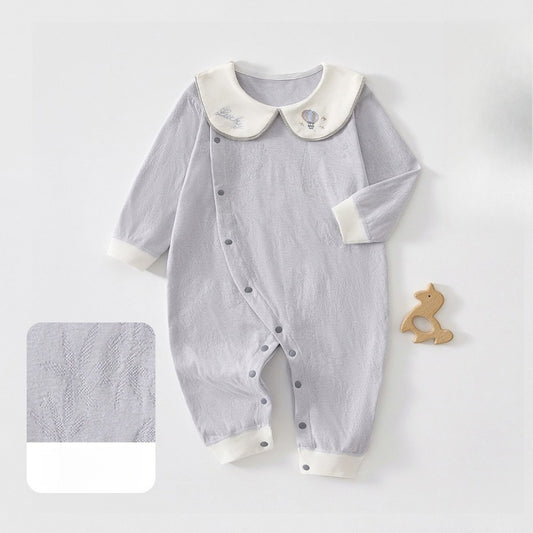
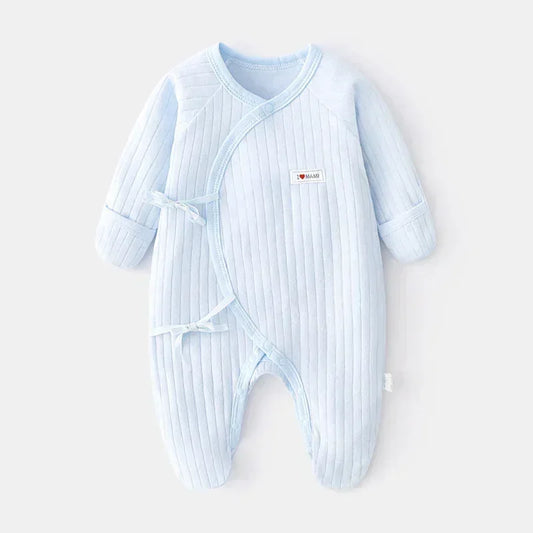
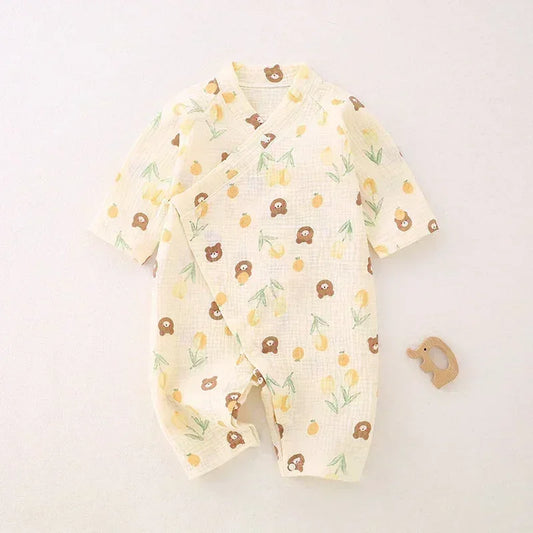
To implement the One-Layer Rule effectively, start with a high-quality organic cotton short-sleeve or long-sleeve bodysuit as your 'base.' This layer stays close to the skin and manages moisture. For the 'plus one' layer, choose a lightweight organic cotton cardigan or a breathable romper. These pieces are easy to remove if you step into a warm cafe or if the sun comes out from behind a cloud. For the legs, opt for flexible leggings that do not restrict movement. On particularly breezy days, a thin muslin swaddle can serve as a temporary third layer while in the stroller, which can be easily tossed aside as the day warms up. This modular approach allows you to react to the weather in real-time without needing a full wardrobe change in the middle of a park. Remember to check your baby's chest or the back of their neck to gauge their temperature—hands and feet are naturally cooler and are not an accurate representation of core warmth.
Final Thoughts on Spring Comfort
Dressing your baby for spring does not have to be a source of stress. By shifting your focus from 'more clothes' to 'smarter fabrics,' you can ensure your little one stays cozy and safe. The One-Layer Rule, when paired with the natural breathability of organic cotton, provides the ultimate peace of mind. Not only will your baby be more comfortable, but you will also be supporting a more sustainable and skin-friendly approach to parenting. This season, embrace the outdoors with confidence, knowing that your baby is perfectly dressed for every sunny patch and every cool breeze. Happy strolling!
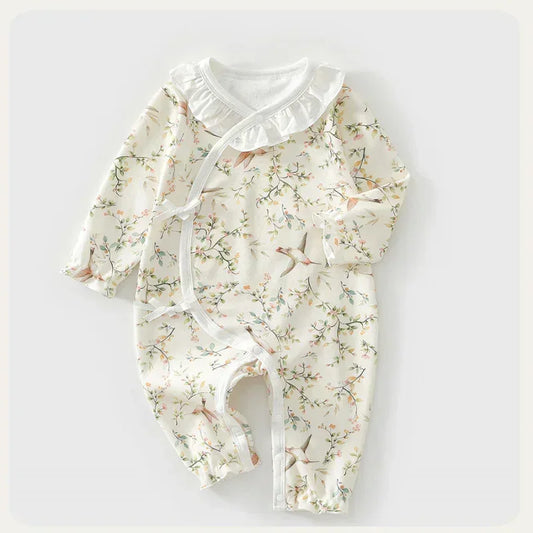
![[2-Pieces Set] 100% Cotton Long-Sleeve Kimono Romper - Blue & Blue Stripe](static/picture/2_afd198b870f106588ecfc526d714b7a8-1764440625_533.jpg)
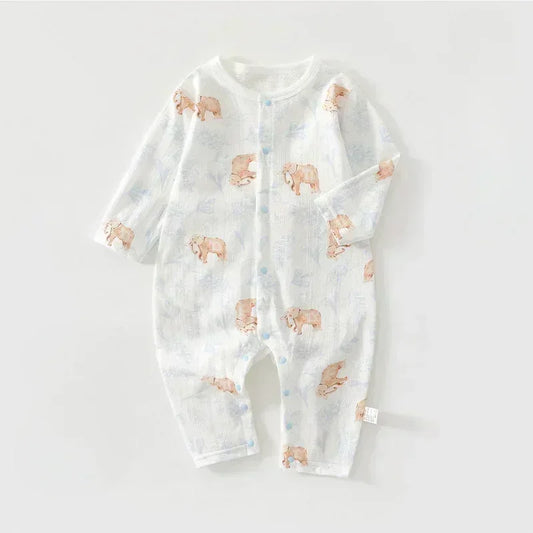
![[2-Pieces Set] 100% Cotton Long Sleeve Side-Snap Bodysuit - Pink & Pink Stripe](static/picture/2_e34e329d03103a1ef2a830ed0f72d8f4-1759165907_533.jpg)
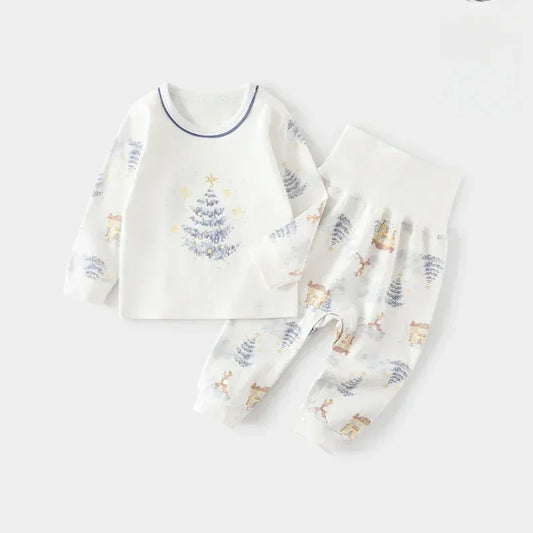
![[2-Pieces Set] 100% Cotton Long Sleeve Snapup Romper - Green & Green Stripe](static/picture/4_dcde8d24f74c34bd214567f4011b27d7-1759166636_533.jpg)