


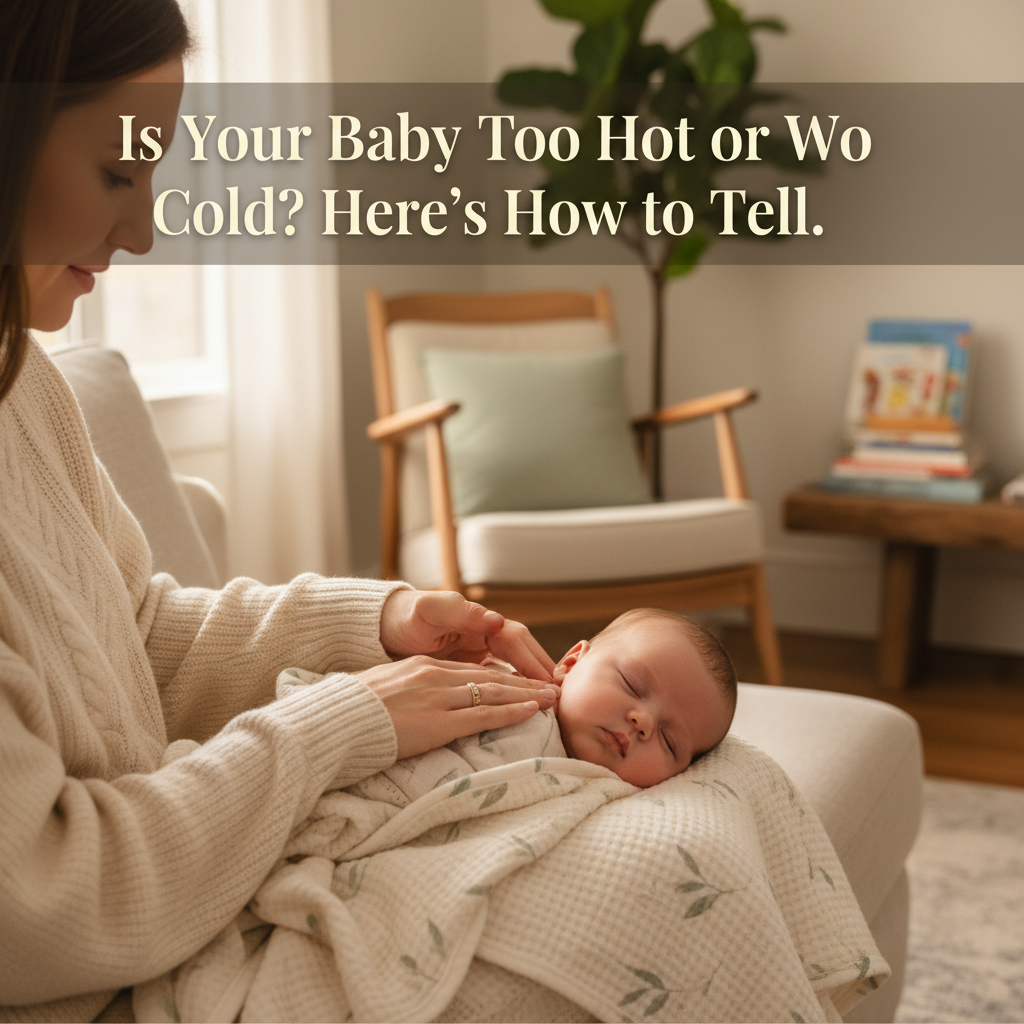
Is Your Baby Too Hot or Too Cold? Here's How to Tell
Share
The Sleep Struggle: Is Your Baby Actually Comfortable?
Every new parent knows the midnight panic. You creep into the nursery, hand hovering over the crib, wondering: Is it too cold in here? Is my baby sweating? This constant worry isn't just a phase; it is a vital part of keeping your little one safe. Temperature regulation is one of the biggest challenges for infants, and getting it wrong can lead to restless nights, skin irritations, or even safety risks.
Why Standard Baby Gear Often Fails
Many parents reach for plush blankets or synthetic fleece pajamas, thinking warmth equals comfort. However, cheap synthetic materials are notorious for trapping heat and moisture against a baby's sensitive skin. Unlike adults, babies cannot regulate their body temperature efficiently. When they are trapped in non-breathable polyester, they overheat quickly, leading to heat rashes and frequent wake-ups. The agitation of a sweaty, uncomfortable baby makes for a long night for everyone.
The Organic Solution for Better Sleep
The secret to a perfectly tempered baby lies in the breathability of organic cotton. Switching to high-quality, GOTS-certified organic fabrics allows air to circulate naturally. Organic cotton wicks moisture away from the skin, keeping your baby cool when it is warm and cozy when the temperature drops. By choosing natural fibers, you are providing a self-regulating microclimate that synthetic blends simply cannot match.
How to Tell: The Hands and Feet Myth
One of the biggest mistakes parents make is checking a baby's hands or feet. It is perfectly normal for an infant's extremities to feel slightly cool. To get an accurate reading, follow these steps:
- Check the Chest or Back: Place your hand on their chest or the back of their neck. This is the best indicator of their core temperature.
- The Touch Test: Their skin should feel warm and dry. If it feels hot, clammy, or sweaty, they are too warm.
- Look for Redness: Flushed cheeks or a damp scalp are immediate signs of overheating.
- Activity Levels: A baby who is too cold may be unusually lethargic or excessively fussy.
The Golden Rule: Layering with Bodyfeu
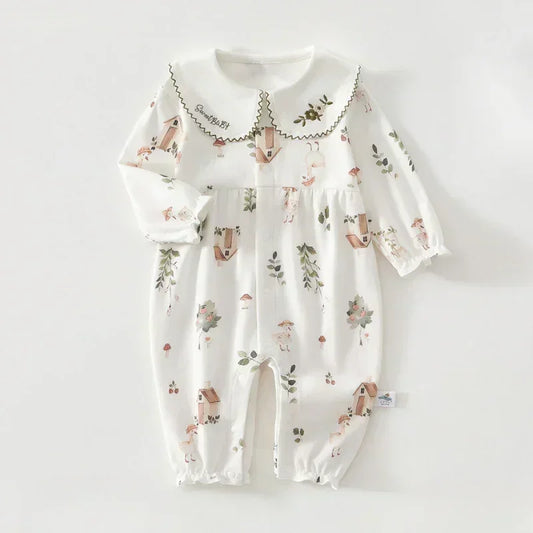
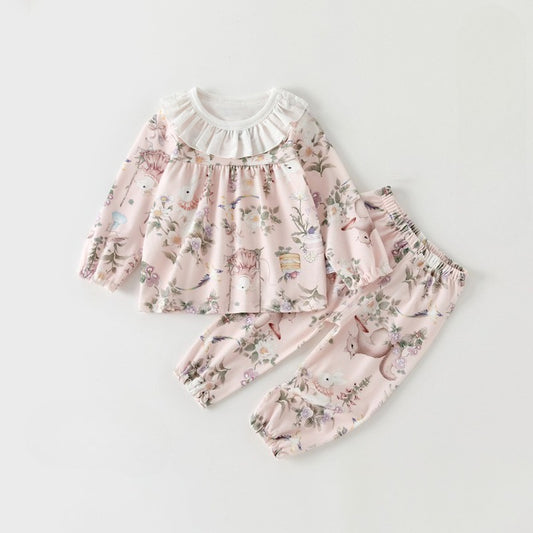
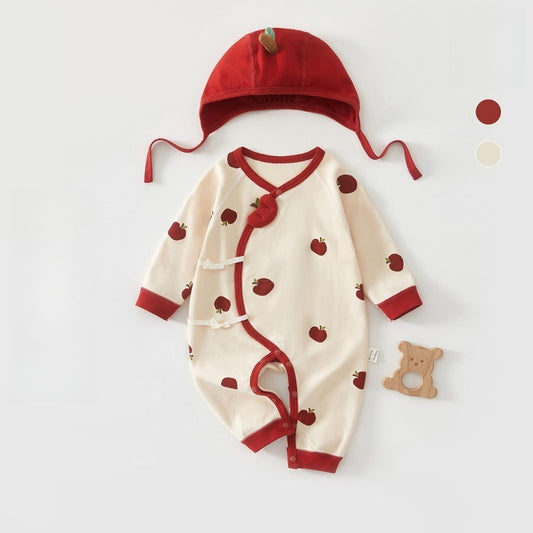
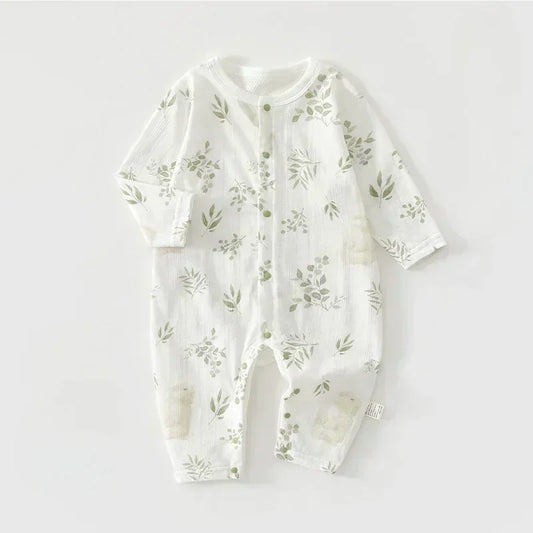
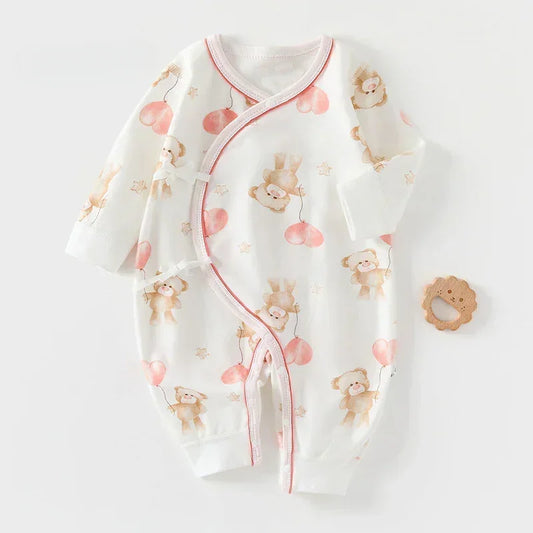
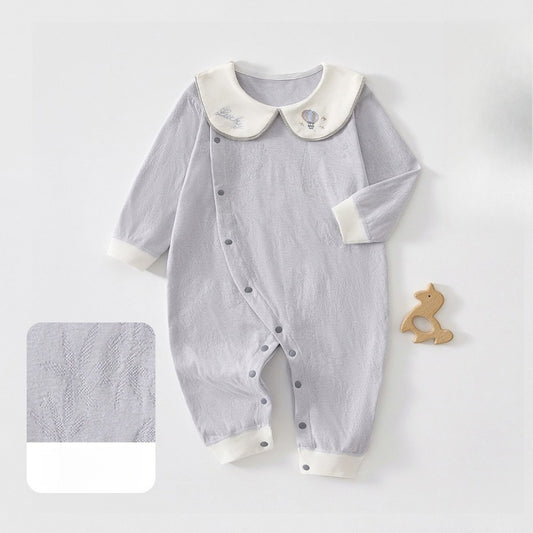
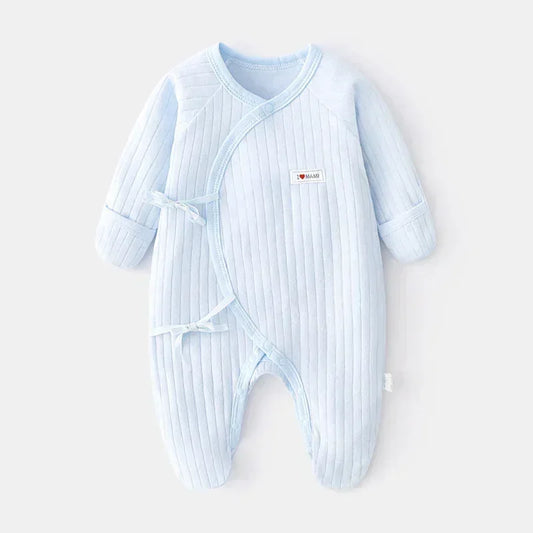
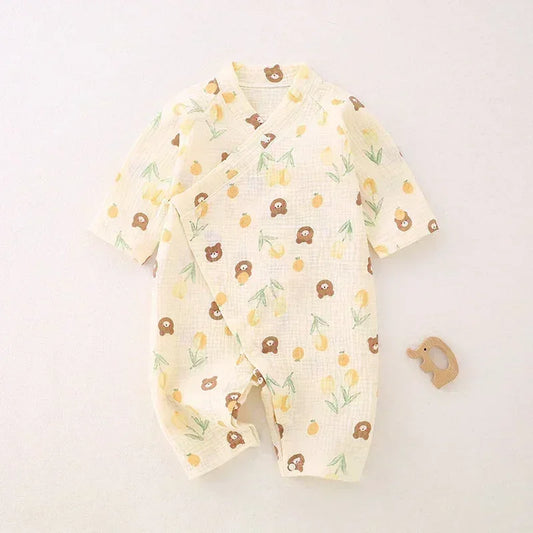
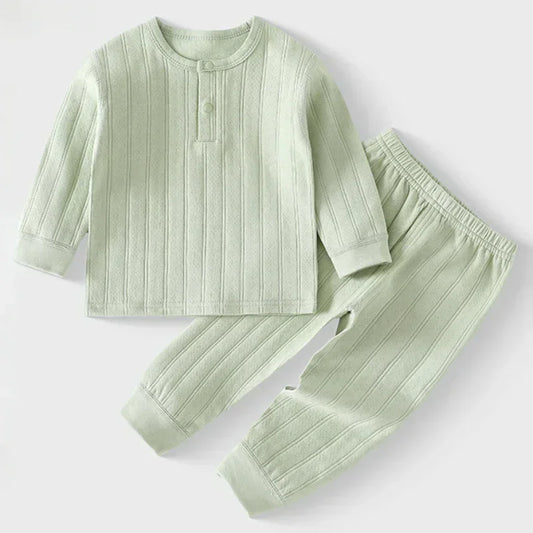
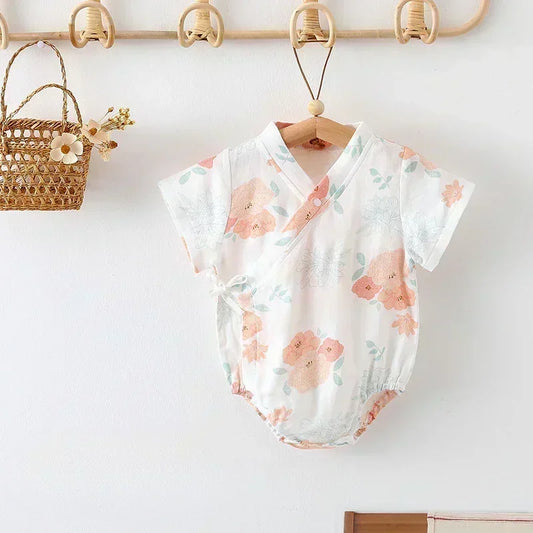
Instead of one heavy layer, use multiple thin layers of organic cotton. This allows you to add or remove clothing easily as the room temperature changes. A simple organic onesie paired with a breathable swaddle or sleep bag is often all they need. Remember, the nursery should ideally stay between 68 and 72 degrees Fahrenheit (20 to 22 degrees Celsius).
Final Thoughts on Baby Comfort
Monitoring your baby's temperature doesn't have to be a source of constant anxiety. By focusing on core temperature checks and investing in breathable, organic materials, you create a safer and more restful environment. When your baby sleeps better, you sleep better. Prioritize natural fibers today and notice the difference in your little one's comfort and skin health.
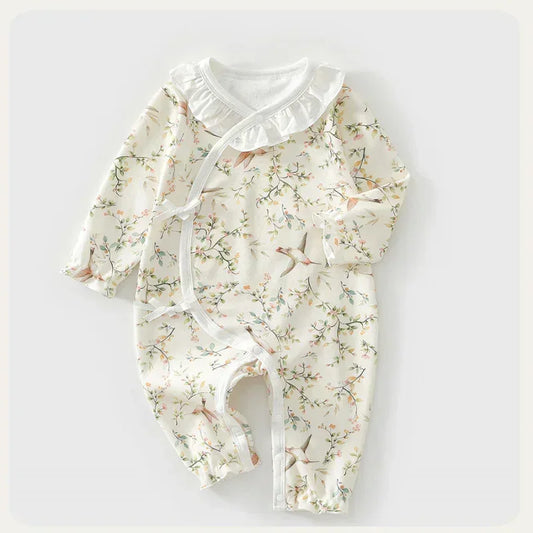
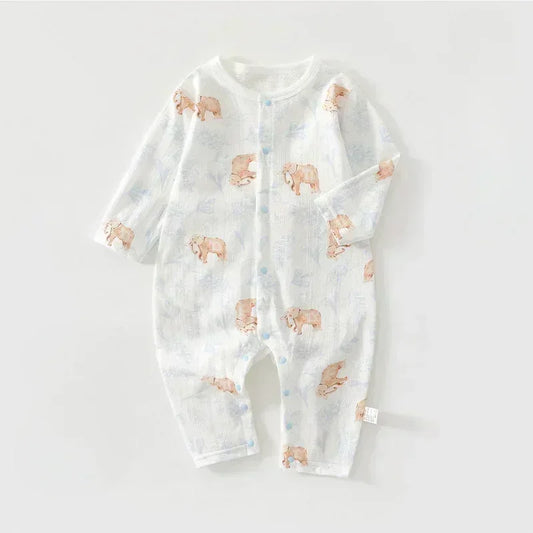
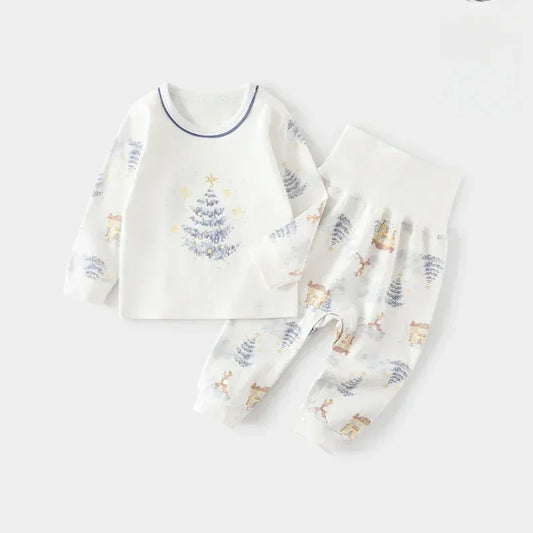
![[2-Pieces Set] 100% Cotton Long-Sleeve Kimono Romper - Blue & Blue Stripe](static/picture/2_afd198b870f106588ecfc526d714b7a8-1764440625_533.jpg)
![[2-Pieces Set] 100% Cotton Long Sleeve Side-Snap Bodysuit - Pink & Pink Stripe](static/picture/2_e34e329d03103a1ef2a830ed0f72d8f4-1759165907_533.jpg)
![[2-Pieces Set] 100% Cotton Long Sleeve Snapup Romper - Green & Green Stripe](static/picture/4_dcde8d24f74c34bd214567f4011b27d7-1759166636_533.jpg)